
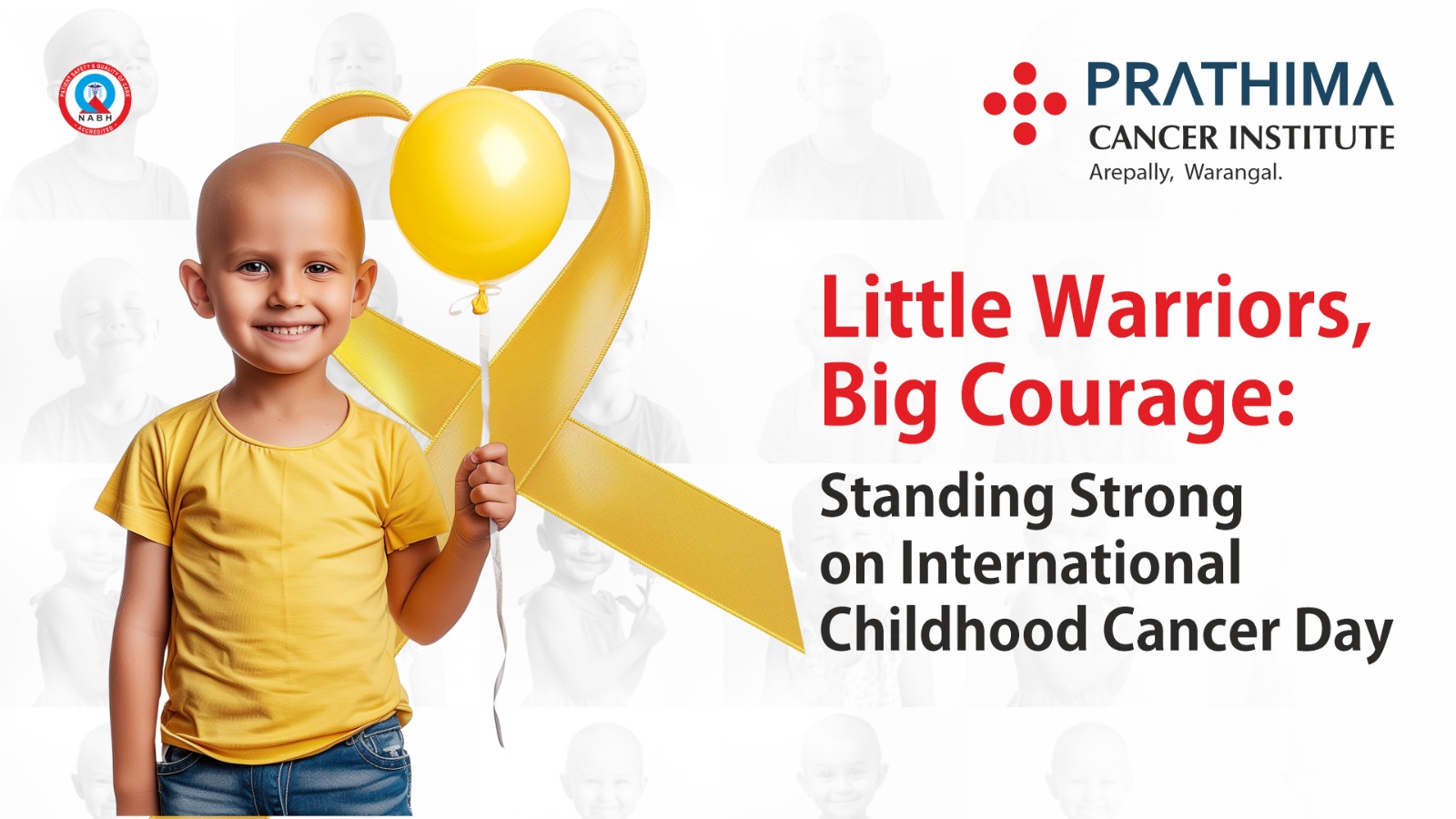
Understanding Childhood Cancer and the Importance of Early Diagnosis
Every year on February 15, the world pauses to observe International Childhood Cancer Day, a day dedicated to raising awareness about cancers affecting children and adolescents, honoring young fighters, and supporting families walking a path they never expected to travel.
Childhood cancer is not just a medical diagnosis. It is a life-altering moment for a family. It interrupts school days, replaces playground laughter with hospital corridors, and demands courage from hearts far too young. Yet, within these tender years, we witness extraordinary strength.
The most important truth we must remember is this: many childhood cancers are treatable, especially when diagnosed early and managed by experienced specialists, a Senior Surgical Oncologist, and a dedicated pediatric oncology team.
Understanding Childhood Cancer
Cancer in children differs significantly from cancer in adults. While adult cancers are often linked to lifestyle or environmental factors, childhood cancers usually occur due to genetic changes in cells that happen early in life. These changes are rarely preventable and often arise without warning.
The most common types of childhood cancers include:
- Leukemia – Cancer of the blood and bone marrow, the most common childhood cancer.
- Brain tumor – Tumors affecting the brain or spinal cord.
- Lymphoma – Cancer of the immune system’s lymphatic tissues.
- Neuroblastoma – Often affecting infants and young children.
- Wilms’ tumor – A kidney cancer seen mainly in young children.
- Osteosarcoma – A bone cancer more common in adolescents.
In some cases, children may also face complex conditions such as Thoracic Cancer in Warangal, which affects the chest area and requires specialized surgical care. Such cases highlight the importance of access to expert treatment at the Best Cancer Hospital in Warangal.
Unlike many adult cancers, childhood cancers tend to grow rapidly. However, they often respond well to treatment if identified early.
Early Signs Parents Should Never Ignore
One of the greatest challenges in childhood cancer is delayed diagnosis. Symptoms may resemble common childhood illnesses, leading to late medical evaluation.
Parents and caregivers should seek medical attention if they notice:
- Persistent unexplained fever
- Unusual paleness or fatigue
- Easy bruising or bleeding
- Frequent infections
- Persistent headaches or early morning vomiting
- Unexplained swelling or lumps
- Bone pain or limping
- Sudden weight loss
- White reflection in the eye
These symptoms do not always mean cancer. However, if they persist, seeking evaluation from the Best Cancer Doctor in Warangal can make a life-saving difference.
Advances in Treatment: A Story of Hope
Over the past few decades, survival rates for childhood cancers have improved remarkably in many parts of the world. Treatment may include:
- Chemotherapy
- Surgery
- Radiation therapy
- Immunotherapy
- Targeted therapy
- Stem cell transplantation
A Senior Surgical Oncologist plays a crucial role in cases requiring advanced surgical intervention. At the Best Cancer Hospital in Warangal, multidisciplinary teams work together to create personalized treatment plans tailored to each child’s condition
Modern pediatric oncology focuses not only on curing the disease but also on preserving quality of life. Treatment protocols are carefully tailored based on the child’s age, type of cancer, stage, and overall health.
In many high-resource settings, survival rates for certain childhood cancers exceed 80%. However, in low- and middle-income regions, survival remains significantly lower due to delayed diagnosis, limited access to treatment, and financial challenges.
Bridging this survival gap is one of the most urgent global health priorities.
The Emotional Journey of Families
A childhood cancer diagnosis affects the entire family. Parents often experience fear, guilt, anxiety, and exhaustion. Siblings may feel confused or neglected. Financial strain can add another layer of distress.
Beyond medical treatment, families require:
- Psychological counseling
- Nutritional guidance
- Social support
- Financial assistance programs
- School reintegration support
Children undergoing treatment need encouragement to maintain a sense of normalcy. Play therapy, art therapy, and peer support groups can greatly improve emotional resilience.
The strength of these young patients often inspires healthcare teams. Despite hair loss, hospital stays, and invasive procedures, many children smile, ask questions, and dream about returning to school.
They remind us that courage has no age.
Long-Term Survivorship and Follow-Up
Surviving childhood cancer is a victory. But survivorship requires long-term monitoring.
Some children may experience late effects of treatment, such as:
- Growth disturbances
- Hormonal imbalances
- Learning difficulties
- Heart or lung complications
- Secondary cancers (rare but possible)
Structured follow-up care ensures early detection and management of these long-term effects. Pediatric cancer survivors deserve not just survival, but a healthy, productive future.
The Importance of Awareness
Public awareness plays a crucial role in improving outcomes. When communities understand early warning signs, children are brought to hospitals sooner. When policymakers prioritize pediatric oncology, infrastructure improves. When society shows compassion, families feel less alone.
Schools, hospitals, community organizations, and healthcare professionals can collaborate to:
- Conduct awareness campaigns
- Promote early screening awareness
- Support blood donation drives
- Provide nutritional support programs
- Encourage vaccination where applicable (such as HPV vaccination in adolescents to prevent future cancers)
- Awareness transforms silence into action.
Addressing Inequality in Care
One of the stark realities of childhood cancer is the disparity in survival rates between developed and developing countries. Many children still die not because their disease is untreatable, but because they lack timely access to diagnosis and therapy.
Barriers include:
- Limited pediatric oncology centers
- Financial constraints
- Lack of trained specialists
- Treatment abandonment due to cost or travel distance
- Strengthening healthcare systems, expanding pediatric oncology training, and implementing national childhood cancer control programs are essential steps forward.
No child should lose their life because of where they were born.
Supporting a Child with Cancer: What Communities Can Do?
You may wonder how individuals can contribute meaningfully.
Here are ways communities can help:
- Support families emotionally and socially
- Volunteer at pediatric wards
- Donate blood regularly
- Contribute to pediatric cancer foundations
- Spread awareness responsibly
- Encourage early medical consultation
Sometimes, even a small gesture, a reassuring conversation, a warm meal for caregivers, or academic support for siblings can truly ease a family’s burden. If you would like to offer help or need support yourself, please reach out through our contact-us page or connect with us anytime. Our team is available 24/7, because no family should ever feel alone during this journey.
A Message to Parents
If your child is undergoing cancer treatment, know this: you are not alone. Advances in medicine have transformed what was once considered a fatal diagnosis into a condition that is often treatable.
Trust your medical team. Ask questions. Seek support. Take care of your own mental health. Your strength becomes your child’s anchor.
And to the young warriors fighting bravely, your resilience teaches the world about hope.
Moving Forward with Commitment
On this International Childhood Cancer Day, let us move beyond sympathy and toward sustained commitment.
We must:
- Advocate for early diagnosis
- Improve access to specialized pediatric oncology care
- Support research
- Provide comprehensive rehabilitation
- Reduce treatment abandonment
- Every child deserves the chance to grow, learn, and dream.
Childhood cancer may test families in unimaginable ways, but it also reveals the extraordinary power of medical science, community support, and human courage.
Hope in Every Small Hand
International Childhood Cancer Day is not merely a date on the calendar. It is a reminder that behind every hospital bed, where the Best Cancer Hospital in Warangal works tirelessly to restore hope, is a child who once ran freely, laughed loudly, and dreamed fearlessly, and who deserves to do so again.
When we invest in early detection, accessible treatment, emotional support, and long-term care, we are investing in futures , in classrooms filled with survivors, in playgrounds echoing with recovered laughter, and in families restored to hope.
Let us stand united for our little warriors.
Let us strengthen healthcare systems.
Let us support every struggling parent.
Let us ensure that no child fights alone.
Because in the smallest hands often lies the greatest courage.
.
.
For More Details
Visit: https://prathimacancerinstitute.com/
Contact Us: 9345108108 / 8706913300 / 8706913333