
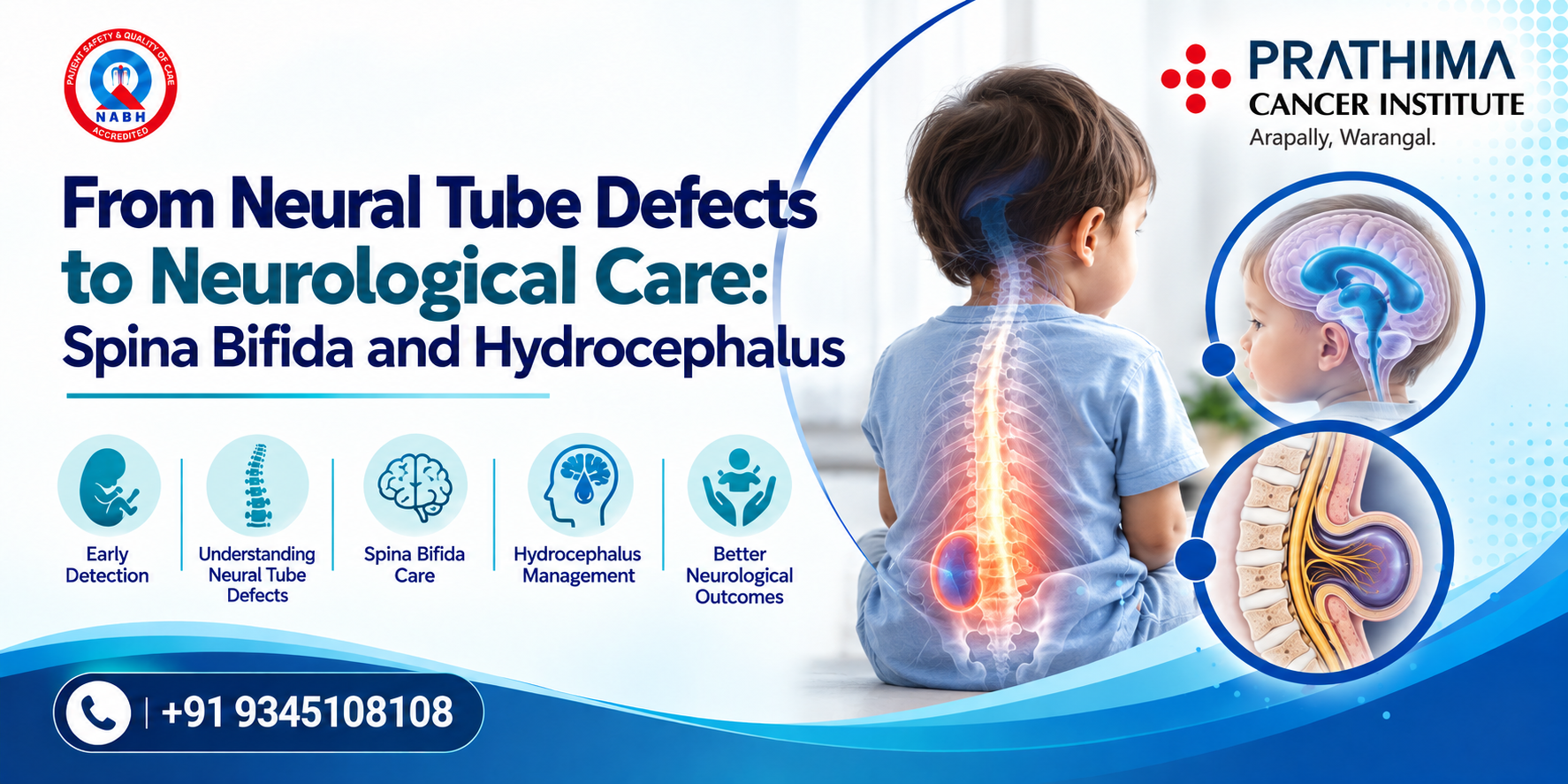
The human nervous system plays a vital role in movement, sensation, learning and the countless functions that shape everyday life. Conditions affecting the development of the brain and spinal cord can have far-reaching effects, often requiring specialised medical care, rehabilitation and long-term support. Spina bifida and hydrocephalus are two such conditions that demand greater public awareness, timely diagnosis and coordinated healthcare throughout life. For patients requiring specialised surgical care for cancer, consulting a Surgical Oncologist in Warangal can also help support appropriate diagnosis, treatment planning and ongoing care.
Observed annually on 25 October, World Spina Bifida and Hydrocephalus Day brings the global community together to highlight the medical needs, social challenges and rights of people living with these conditions. The day also encourages healthcare professionals, researchers, families and policymakers to work towards better treatment, accessible services and improved quality of life.
Although medical advances have improved diagnosis and treatment, many individuals and families continue to face barriers to specialist care, rehabilitation, education and social participation. Addressing these gaps requires more than medical intervention alone. It calls for a healthcare system that recognises changing needs, a society that removes discrimination and a commitment to supporting individuals at every stage of life.
Spina Bifida: A Neural Tube Defect with Lifelong Implications
Spina bifida is a congenital condition that occurs when the neural tube, which develops into the brain and spinal cord, does not close completely during early pregnancy. It is classified as a neural tube defect and can affect the formation of the spine and the protection of the spinal cord.
The severity varies considerably. In spina bifida occulta, the opening in the spine is often covered by skin and may cause few or no symptoms. In more severe forms, such as myelomeningocele, the spinal cord and surrounding nerves may be affected, potentially leading to weakness or paralysis of the lower limbs, bladder and bowel dysfunction, and orthopaedic complications.
The effects depend on the location and extent of the defect, as well as associated medical conditions. Some individuals require multiple surgical procedures, mobility aids and regular specialist consultations, while others may need relatively limited medical intervention.
Management often involves a multidisciplinary team that may include neurosurgeons, paediatricians, urologists, orthopaedic surgeons, physiotherapists, rehabilitation specialists and other healthcare professionals. Early intervention, regular monitoring and individualised treatment plans can help address complications and support functional independence.
Importantly, spina bifida should not be viewed solely through the lens of physical limitations. With appropriate healthcare, accessible environments and educational opportunities, individuals can pursue personal goals, develop careers and participate actively in their communities.
Hydrocephalus: The Importance of Timely Neurological Intervention
Hydrocephalus is a neurological condition characterised by an abnormal accumulation of cerebrospinal fluid within the brain’s ventricles. Cerebrospinal fluid normally circulates around the brain and spinal cord, providing protection and helping maintain a stable environment for the central nervous system.
When its production, circulation or absorption is disrupted, fluid may accumulate, causing the ventricles to enlarge and potentially increasing pressure on the brain.
Hydrocephalus may be present at birth or develop later because of conditions such as bleeding, infection, tumours or other neurological problems. It can also occur alongside spina bifida, particularly myelomeningocele.
Symptoms differ according to age and the rate at which fluid accumulates. Infants may develop an increasing head circumference, a bulging fontanelle, vomiting, irritability or feeding difficulties. Older children and adults may experience headaches, nausea, visual disturbances, balance problems or changes in cognitive function.
Prompt medical assessment is essential when hydrocephalus is suspected. Diagnosis may involve clinical examination, measurement of head circumference in infants and brain imaging, including ultrasound, MRI or CT when appropriate.
Treatment commonly involves a shunt, which diverts excess cerebrospinal fluid to another part of the body where it can be absorbed. Endoscopic third ventriculostomy is another option for selected patients. The choice of treatment depends on the underlying cause, the patient’s age and individual clinical circumstances.
Neither procedure eliminates the need for continued monitoring. Shunts can become blocked or infected, and symptoms of malfunction require urgent medical assessment. Long-term follow-up helps clinicians identify complications, assess neurological development and respond to changing needs.
The Connection Between Spina Bifida and Hydrocephalus
Spina bifida and hydrocephalus are separate medical conditions, but they may occur together. Children born with myelomeningocele have an increased likelihood of developing hydrocephalus, which can complicate their neurological care. A Consultant Emergency Physician plays an important role in the initial assessment and stabilisation of patients experiencing acute complications, ensuring timely medical attention and appropriate referral for specialised care.
When both conditions are present, treatment requires careful coordination. Surgical management of the spinal defect, monitoring of cerebrospinal fluid dynamics, assessment of neurological function and management of bladder, bowel and mobility concerns may all form part of the care plan.
The combined effects vary from person to person. Some individuals may require extensive support, while others develop greater independence with appropriate treatment and rehabilitation.
For healthcare professionals, this relationship highlights the importance of comprehensive assessment rather than treating each medical problem in isolation. For families, it reinforces the value of clear communication, regular follow-up and access to specialists familiar with both conditions.
Prevention, Early Diagnosis and Advances in Care
Prevention and early intervention remain important components of public health strategies for neural tube defects. Folic acid, a form of vitamin B9, plays a crucial role in early fetal development. Adequate folic acid intake before conception and during early pregnancy can reduce the risk of neural tube defects, including spina bifida.
The US Centers for Disease Control and Prevention recommends that women capable of becoming pregnant obtain 400 micrograms of folic acid daily. Individual requirements may differ, particularly for those with specific medical or pregnancy-related risk factors, so professional advice is important.
Because neural tube closure occurs very early in pregnancy, often before pregnancy is recognised, preconception health education is especially valuable. Access to supplements, appropriate antenatal services and reliable health information can help reduce preventable risks.
However, not every case of spina bifida can be prevented. Genetics, nutrition and environmental factors may contribute, and families should never be blamed for a diagnosis.
Advances in prenatal imaging, neonatal surgery, neurosurgical techniques, rehabilitation and long-term monitoring have expanded the options available to affected individuals. Nevertheless, access to these services remains unequal. Strengthening referral pathways, specialist facilities and community-based support is essential to ensure that medical progress benefits more families.
The 2026 Theme: A Lifetime of Experiences From Preconception to Ageing
The official theme for World Spina Bifida and Hydrocephalus Day 2026, “A Lifetime of Experiences: From Preconception to Ageing,” highlights the changing medical, social and practical needs of individuals living with these conditions throughout their lives. It emphasises preconception health, prevention, early diagnosis, childhood treatment, inclusive education, adolescent development, adult healthcare, employment, independent living and healthy ageing. The theme also highlights the importance of continuity of care, ensuring that support remains available as individuals move through different stages of life. By prioritising lived experiences, healthcare professionals, families and policymakers can work towards accessible, coordinated and compassionate services. Choosing the Best Hospital in Warangal for appropriate medical assessment and ongoing healthcare can help patients and families access the care and support they need at different stages of life.
A Multidisciplinary Approach to Lifelong Care
Medical management of spina bifida and hydrocephalus extends beyond surgery. Effective care requires collaboration between specialties, with treatment plans adapted to the individual’s age, clinical needs and personal goals.
Neurosurgical follow-up is essential for people with hydrocephalus, while urological and orthopaedic services may be important for individuals with spina bifida. Physiotherapy, occupational therapy, rehabilitation and assistive technology can support mobility, daily activities and independence.
Psychological and educational support should also be considered. Children may need individualised learning arrangements, while adolescents may benefit from guidance as they take greater responsibility for their health. Adults require access to appropriate specialist services, reproductive and general healthcare, employment opportunities and community support.
The transition from paediatric to adult healthcare deserves particular attention. Without planned coordination, individuals may experience gaps in follow-up, difficulty accessing specialists or uncertainty about managing their condition independently.
A well-coordinated care pathway should therefore include clear medical records, regular reviews, education about warning signs and opportunities for patients to participate in decisions. Family members and caregivers may also require guidance, especially when long-term support places considerable demands on time and resources.
Above all, care should be individualised. A treatment plan that works for one person may not meet another person’s needs, even when their diagnoses are similar.
Breaking Social Barriers and Promoting Inclusion
Medical treatment can address many health concerns, but it cannot independently remove the social barriers that limit participation.
People living with spina bifida or hydrocephalus may encounter inaccessible buildings, inadequate transport, discrimination, financial pressures and limited access to education or employment. These barriers can restrict opportunities even when appropriate medical care is available.
Inclusive schools should provide accessible facilities, supportive teaching practices and equal participation in classroom and extracurricular activities. Employers should focus on skills and capabilities while providing reasonable accommodations where needed. Public spaces and transport systems should be designed to support people with different mobility and accessibility requirements.
Awareness campaigns must also challenge stereotypes. A diagnosis does not determine a person’s intelligence, ambitions or ability to contribute to society. Nor should people be expected to disclose private medical information to justify their needs.
Listening to individuals with lived experience is essential when designing healthcare services, disability policies and community programmes. Their perspectives can help identify practical gaps that might otherwise remain overlooked.
World Spina Bifida and Hydrocephalus Day offers an opportunity to turn these concerns into meaningful action through education, advocacy, accessible services and stronger community partnerships.
What Healthcare Professionals and Communities Can Do?
Healthcare professionals can contribute by promoting early assessment, explaining treatment options clearly, coordinating referrals and supporting continuity of care. Regular education can also help families recognise warning signs that require urgent attention.
Healthcare institutions can strengthen multidisciplinary services, improve patient education and develop transition programmes for young people moving into adult care.
Educational institutions and employers can review their accessibility policies, address discriminatory practices and create environments where individuals can participate on equal terms.
Families and community organisations can help by sharing reliable information, connecting individuals with support networks and advocating for improved services. Awareness activities, educational sessions and public campaigns can encourage conversations about prevention, medical care and disability rights.
World Spina Bifida and Hydrocephalus Day offers an opportunity to turn these concerns into meaningful action through education, advocacy, accessible healthcare services and stronger community partnerships. A Consultant Radiologist in Warangal can contribute to patient care through diagnostic imaging that helps healthcare teams assess medical conditions, support accurate diagnosis, and guide appropriate treatment planning. Improved access to diagnostic services and coordinated healthcare can help patients and families receive timely medical attention and ongoing support throughout different stages of life.
From Medical Progress to a Lifetime of Possibilities
World Spina Bifida and Hydrocephalus Day is a reminder that medical progress must be measured not only by successful procedures and improved clinical outcomes, but also by the opportunities people gain to live healthy, independent and fulfilling lives.
Spina bifida and hydrocephalus may require lifelong medical attention, but they should never become reasons for social exclusion, reduced expectations or unequal treatment. Early intervention, specialist care, rehabilitation and ongoing monitoring are essential, yet their impact is greatest when combined with accessible education, fair employment, family support and respect for individual choice.
On 25 October 2026, let us strengthen our commitment to prevention, timely diagnosis, advanced neurological care and services that continue throughout life. Let us support research, improve access to specialist treatment and ensure that no individual or family is left to navigate these conditions without appropriate guidance.
A diagnosis may shape a medical journey, but it should never set the limits of a person’s future.
The way forward requires more than awareness. It requires action from healthcare systems, policymakers, communities and every individual willing to challenge barriers and advocate for equal opportunities.
From neural tube defects to neurological care, from childhood to aging, the goal must remain the same: better health, greater independence and a life lived with dignity.
.
.
For More Details
Visit: https://prathimacancerinstitute.com/
Contact Us: 9345108108 / 8706913300 / 8706913333