

The global health landscape in 2026 emphasizes not only innovation but also accessibility, awareness, and human connection in medicine. Testicular cancer, though relatively rare, stands as one of the most treatable cancers when detected early. Yet, despite high survival rates, gaps remain in awareness, timely diagnosis, and emotional support, especially among young men.
The evolving healthcare landscape of 2026 emphasizes proactive engagement, digital accessibility, and personalized, patient-centered care. In this context, testicular cancer management has undergone a significant transformation, extending far beyond conventional treatment approaches. Today, it encompasses a comprehensive model that includes education, prevention, mental well-being, and long-term survivorship.
Promoting testicular cancer awareness is essential for encouraging early detection and timely intervention, which significantly improves treatment outcomes. Access to specialized care also plays a critical role in this journey. Consulting an experienced surgical oncologist in Warangal ensures accurate diagnosis, advanced treatment options, and holistic support tailored to individual patient needs.
Understanding Testicular Cancer
Testicular cancer develops in the testicles, which are part of the male reproductive system. These organs are responsible for producing sperm and testosterone. The disease most commonly affects men between the ages of 15 and 40, making it unique compared to many other cancers that typically occur later in life.
There are two primary types:
- Seminomas – slower-growing and highly responsive to treatment
- Non-seminomas – tend to grow more rapidly and may require more aggressive therapy
Despite its seriousness, testicular cancer has one of the highest cure rates among all cancers, particularly when detected early.
Why Awareness Still Matters in 2026?
Even with medical advancements, awareness remains a critical challenge. Many individuals hesitate to discuss symptoms due to embarrassment, lack of knowledge, or cultural stigma. The 2026 approach to healthcare emphasizes breaking these barriers through:
- Open conversations in communities
- Digital education platforms
- Routine self-awareness practices
Early detection does not require complex tools, it begins with awareness of one’s own body.
Risk Factors: Who Should Be More Vigilant?
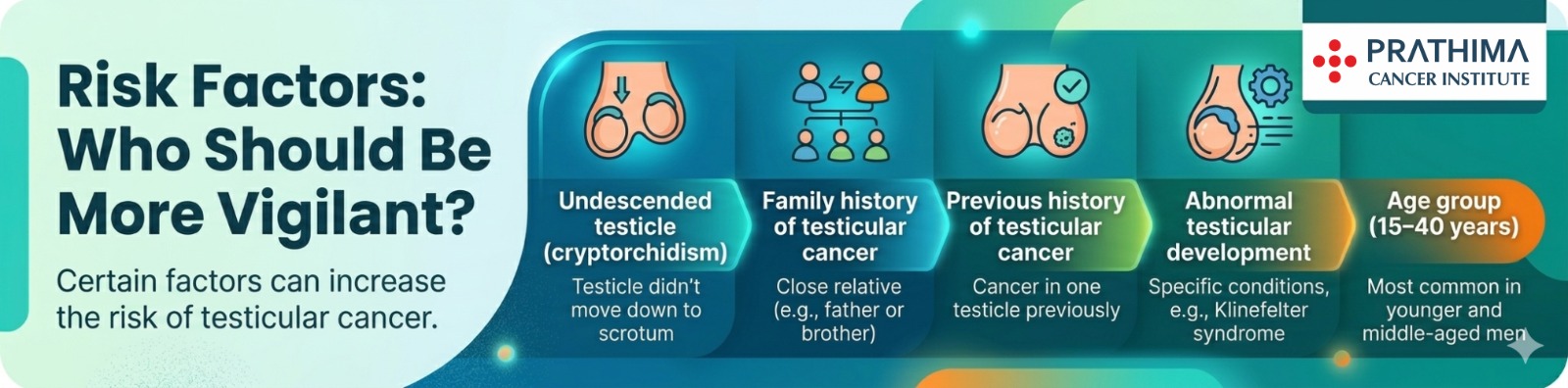
While testicular cancer can affect anyone, certain factors increase risk:
- Undescended testicle (cryptorchidism)
- Family history of testicular cancer
- Previous history of testicular cancer
- Abnormal testicular development
- Age group (15–40 years)
However, many cases occur without any identifiable risk factors, making general awareness essential for all men. Early recognition of symptoms and timely medical consultation can significantly improve outcomes. Seeking guidance from a qualified medical oncologist in Warangal ensures accurate evaluation, appropriate treatment planning, and comprehensive cancer care.
Signs and Symptoms: Recognizing the Early Clues
The earliest signs are often subtle and painless, which is why they are frequently ignored. Key symptoms include:
- A lump or swelling in either testicle
- A feeling of heaviness in the scrotum
- Dull ache in the lower abdomen or groin
- Sudden fluid buildup in the scrotum
- Discomfort or pain in the testicle
These symptoms do not always indicate cancer, but they should never be dismissed. Prompt medical evaluation can make a life-saving difference.
The Role of Self-Examination
In 2026, self-care is considered a vital component of preventive health. Testicular self-examination is simple, quick, and effective when done regularly.
How to perform it:
- Best done after a warm shower
- Gently roll each testicle between fingers and thumb
- Look for lumps, swelling, or unusual firmness
This practice empowers individuals to detect changes early, often before symptoms become noticeable.
Diagnosis: From Suspicion to Certainty
When a suspicious change is detected, medical evaluation typically includes:
- Physical examination
- Ultrasound imaging
- Blood tests for tumor markers
- Surgical removal (orchiectomy) for confirmation
Unlike many cancers, a biopsy is not commonly performed before surgery due to the risk of spreading cancer cells. Instead, the affected testicle is removed and analyzed.
Treatment
Treatment for testicular cancer has advanced significantly, with a focus on effectiveness and quality of life.
Surgery (Orchiectomy)
The primary treatment involves the removal of the affected testicle. This is often curative in early-stage cases.
Radiation Therapy
Used mainly for seminomas, radiation targets remaining cancer cells after surgery.
Chemotherapy
Effective for both seminomas and non-seminomas, especially in advanced stages.
Surveillance
In select early-stage cases, active monitoring may be chosen instead of immediate additional treatment.
Modern protocols aim to reduce overtreatment while maintaining high cure rates.
Fertility and Hormonal Health
One of the major concerns among patients is the impact on fertility and masculinity. In most cases:
- One healthy testicle is sufficient for normal testosterone production
- Fertility can still be preserved
However, before treatment begins, sperm banking is often recommended as a precaution. The 2026 healthcare model strongly emphasizes discussing these concerns openly and early.
Emotional and Psychological Dimensions
A diagnosis of testicular cancer can be emotionally overwhelming, particularly for young men. Feelings may include:
- Anxiety and fear
- Concerns about body image
- Worries about relationships and fertility
In 2026, cancer care adopts a holistic approach by integrating mental health support as a core component of treatment. Counseling, peer support groups, and open communication are strongly encouraged to help patients navigate the emotional and psychological challenges of their journey. Receiving care at the best hospital in Warangal ensures access to comprehensive services that address both physical and mental well-being.
Survivorship: Life After Treatment
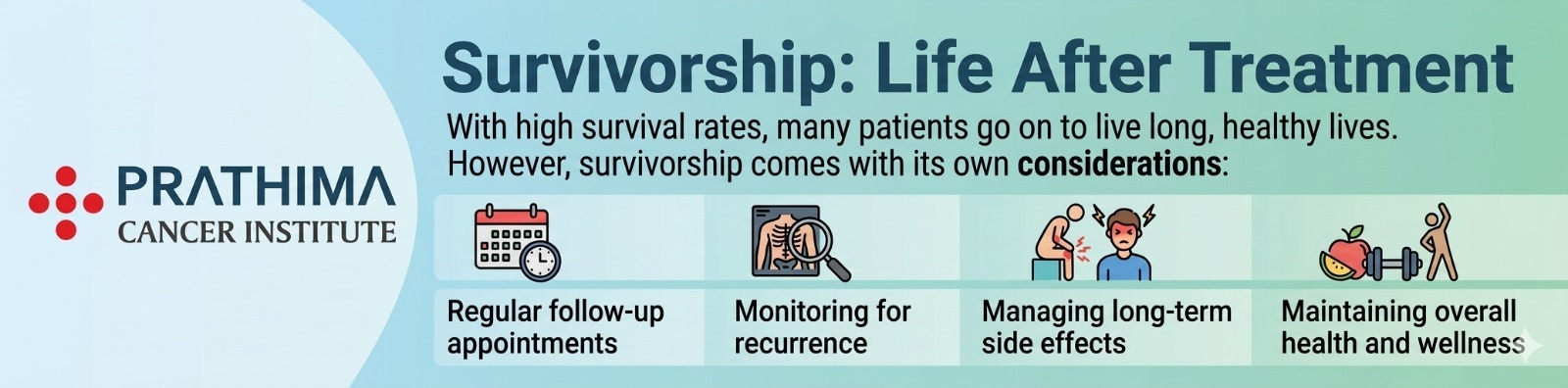
With high survival rates, many patients go on to live long, healthy lives. However, survivorship comes with its own considerations:
- Regular follow-up appointments
- Monitoring for recurrence
- Managing long-term side effects
- Maintaining overall health and wellness
Lifestyle changes such as balanced nutrition, regular exercise, and avoiding tobacco contribute to better outcomes.
Digital Health and the 2026 Approach
One of the defining aspects of healthcare in 2026 is the integration of digital tools to enhance patient care. For testicular cancer, this includes:
- Mobile apps for symptom tracking
- Teleconsultations for early guidance
- Online awareness campaigns targeting young men
- Virtual support communities
These tools make healthcare more accessible and reduce delays in seeking help.
A Cultural Shift
Perhaps the most important transformation in 2026 is cultural rather than technological. Conversations about men’s health are becoming more open and normalized.
Educational institutions, workplaces, and healthcare systems are actively promoting:
- Awareness campaigns
- Routine health checkups.
- Open discussions about reproductive health
This shift is crucial in ensuring that no symptom is ignored due to hesitation or stigma.
Prevention: Is It Possible?
There is no guaranteed way to prevent testicular cancer. However, early detection significantly improves outcomes. Preventive strategies focus on:
- Awareness of risk factors
- Regular self-examination
- Prompt medical consultation
In essence, prevention in this context means vigilance and timely action.
The Role of Healthcare Providers
Healthcare professionals play a vital role in:
- Educating patients
- Encouraging early reporting of symptoms
- Providing compassionate care
- Addressing both physical and emotional needs
The 2026 healthcare model emphasizes patient-centered care, where individuals are encouraged to take an active role in their health journey. This approach fosters better understanding, improved decision-making, and more effective treatment outcomes. Consulting the best cancer doctor in Warangal and an experienced best laparoscopic surgeon in Warangal ensures access to advanced medical expertise, personalized care, and comprehensive treatment solutions.
Medical Perspective: Where Science Stands
From a clinical standpoint, testicular cancer represents a success story in oncology. Advances in chemotherapy, imaging, and surgical techniques have transformed outcomes dramatically over the past decades.
Key highlights include:
- Cure rates exceeding 95% in early stages
- Effective treatment even in advanced cases
- Ongoing research to minimize side effects
Future directions focus on precision medicine, tailoring treatment based on individual tumor characteristics to achieve optimal results with minimal impact.
A Strong Medical Outlook
Testicular cancer, while serious, is highly manageable with early detection and appropriate treatment. The integration of modern diagnostics, effective therapies, and supportive care ensures that most patients achieve complete recovery.
Medical science continues to refine treatment approaches, aiming to reduce toxicity while maintaining high success rates. With proper awareness and timely intervention, testicular cancer remains one of the most curable forms of cancer.
A Message That Matters
The story of testicular cancer in 2026 is not just about medicine; it is about awareness, courage, and responsibility. It is about recognizing that health begins with attention, not assumption.
No symptom is too small to notice. No concern is too minor to discuss.
By open conversations, encouraging self-awareness, and embracing timely care, lives can be saved, not through complexity, but through clarity and action.
The future of healthcare is not only in advanced treatments but in informed individuals who choose not to ignore what their body is trying to say.
.
.
For More Details
Visit: https://prathimacancerinstitute.com/
Contact Us: 9345108108 / 8706913300 / 8706913333